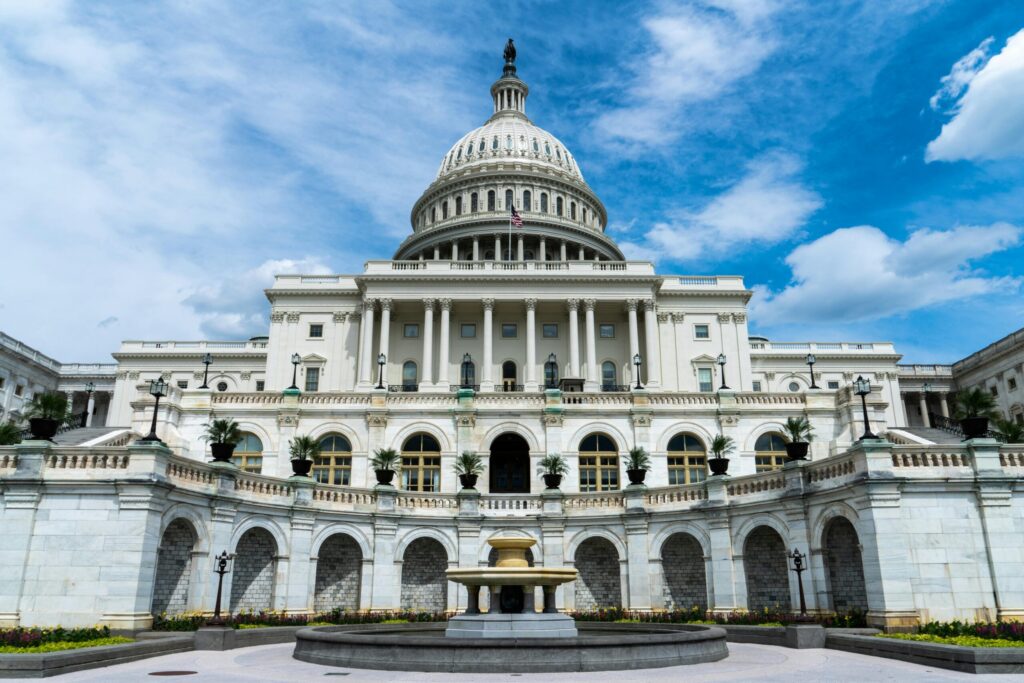
In early July 2025, the U.S. Senate passed a sweeping tax and spending bill—informally known as the One Big Beautiful Bill (OBBB)—that’s poised to significantly impact the real estate landscape, including mobile home and RV park owners, buyers, and sellers. As the bill heads to the House for final approval, it’s worth unpacking how these changes could affect you—and how to position yourself to take advantage of them.
Key Highlights of the OBBB Relevant to Park Owners
Here’s a breakdown of the most critical provisions for manufactured housing, RV park, and campground stakeholders:
1. Section 1031 Like-Kind Exchanges Preserved
Perhaps the most crucial win for park owners and sellers is the preservation of 1031 exchanges, a pillar of tax-deferred real estate investing. This means:
- You can sell your park and reinvest the proceeds into another income-producing property without paying capital gains taxes upfront.
- This provides a powerful tool to reposition into higher-yielding or lower-maintenance assets (e.g., net lease retail, self-storage, etc.).
📌 Takeaway for Sellers: Now is a strategic time to explore a sale, particularly if you’re nearing retirement or want to diversify your income sources without a large tax hit.
2. 100% Bonus Depreciation and Full Expensing Made Permanent
The bill restores and makes permanent 100% bonus depreciation for qualifying property. This enables owners and buyers to:
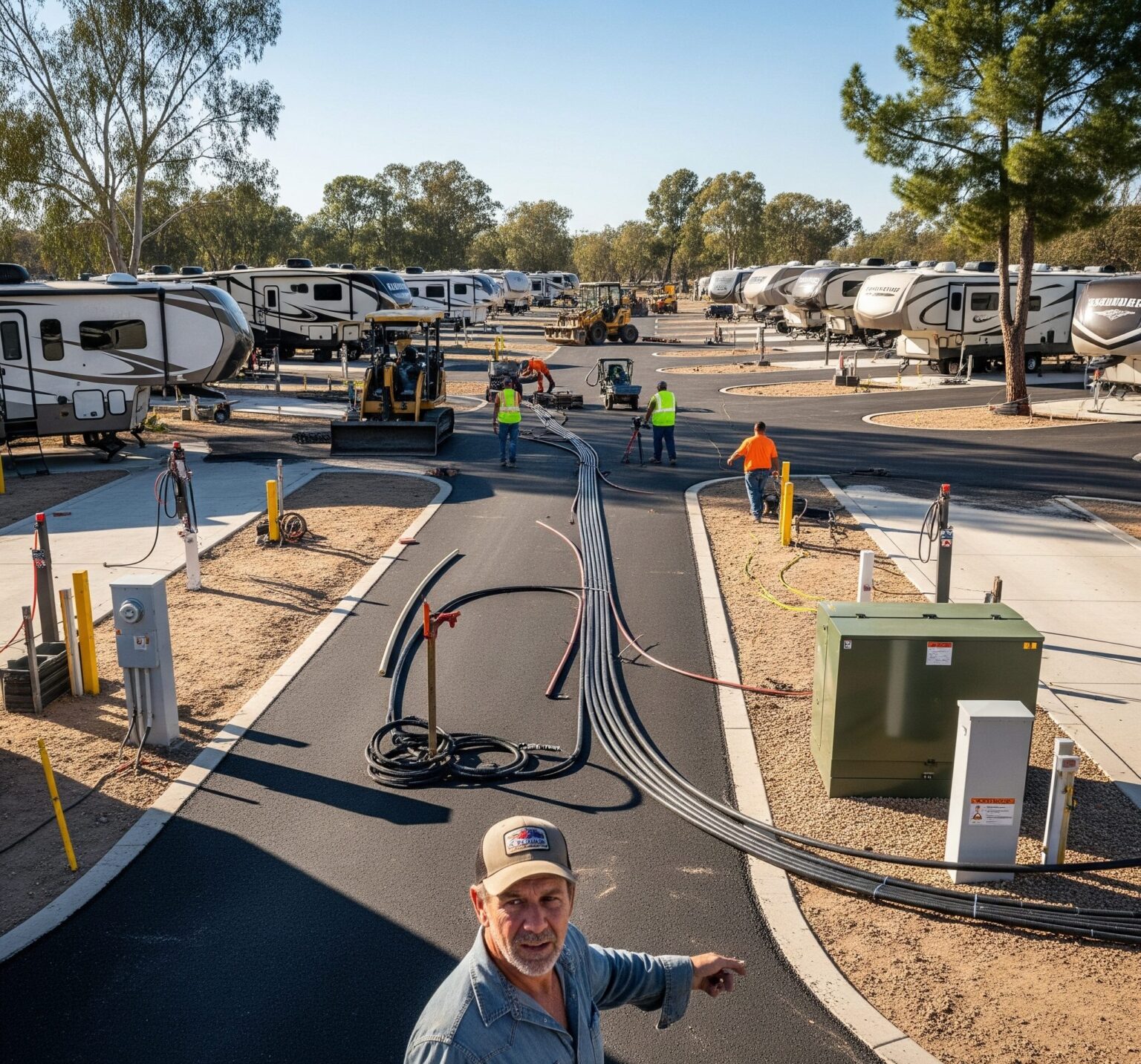
- Immediately deduct the full cost of eligible improvements (roads, electrical systems, shade structures, etc.).
- Reduce taxable income drastically in the early years of ownership.
📌 Takeaway for Buyers: If you’re acquiring parks or planning CapEx improvements, these changes can boost after-tax returns and accelerate ROI.
3. Qualified Business Income (QBI) Deduction Expanded
The 20% QBI deduction—a major tax break for pass-through entities—was preserved and broadened. Many park owners operate under LLCs or partnerships, so this:
- Enables up to 20% of qualified income to be excluded from taxable income, subject to thresholds and limitations.
- Makes owning and operating a park more tax-efficient compared to traditional W-2 income streams.
📌 Takeaway for Owners: Check with your CPA to ensure your entity structure maximizes this deduction.
4. Mortgage Interest and Insurance Deductibility
The bill reinstates the deduction for mortgage insurance premiums and continues to cap mortgage interest deductibility at $750,000. While most parks fall below this threshold, the return of the insurance deduction benefits highly leveraged buyers.
📌 Takeaway for Buyers: Higher-leverage acquisitions just became a bit more tax-friendly.
5. Opportunity Zones (OZ) and Affordable Housing Incentives Enhanced
The Opportunity Zone program has been renewed permanently, with greater oversight and enforcement. In addition:
- A 12% permanent increase to Low-Income Housing Tax Credit (LIHTC) authority could indirectly drive up land values in eligible markets or incentivize development.
- A lower 25% bond test threshold makes it easier to finance affordable housing deals.
📌 Takeaway for Developers and Long-Term Investors: If your park is in an OZ or you’re considering an affordable housing redevelopment, these incentives open new doors for creative structuring and funding.
What Does This Mean for Park Owners?
🏡 Long-Term Holders
If you’re holding your park for the long haul:
- Use bonus depreciation and QBI to boost annual cash flow.
- Consider repositioning under a pass-through entity to maximize tax benefits.
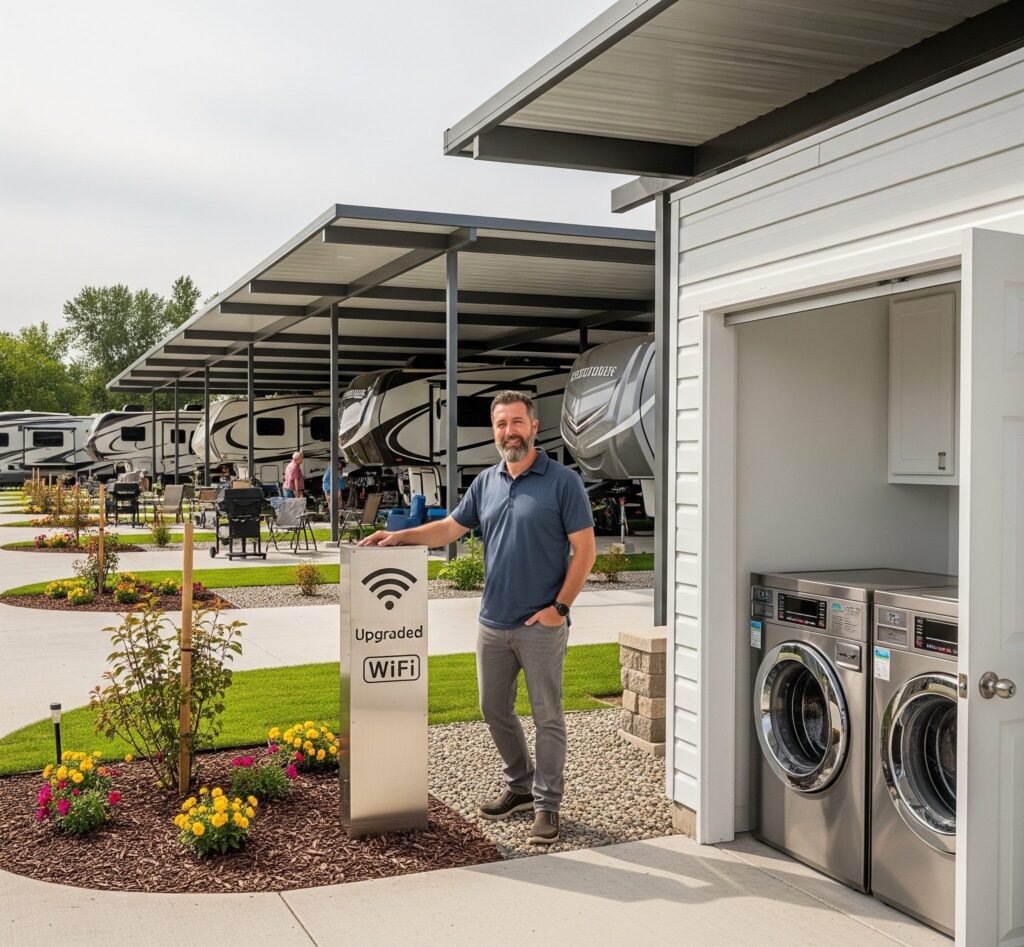
- Explore value-add projects like Wi-Fi upgrades, shade structures, or laundry expansions—all of which now carry enhanced tax deductibility.
🏁 Sellers Considering a 2025 or 2026 Exit
If you’ve thought about selling in the next 12–24 months:
- This may be an optimal window, especially with 1031 exchanges fully protected and capital gains rates remaining favorable (for now).
- You can reinvest proceeds into management-free assets such as net lease properties or DSTs.
🧠 Pro Tip: The IRS’s basis reset and estate tax provisions were untouched in this bill—but could change under a future administration. Don’t wait for the next cycle of tax reform to reassess your portfolio.
🧲 Buyers and Syndicators
If you’re actively acquiring parks:
- Target properties with depreciable infrastructure to capture immediate tax deductions.
- Consider forming pass-through entities to optimize QBI and interest deductions.
- Evaluate parks located within Opportunity Zones or areas eligible for LIHTC-backed projects.
Final Thoughts: Act Now, Before the Landscape Shifts Again
The One Big Beautiful Bill provides certainty and long-awaited permanence to many tax incentives that park owners and investors rely on. However, the political environment remains fluid. If you’re holding off on action, thinking these benefits will always be there—history tells us otherwise.
Now is the time to:
- Revisit your estate and tax planning.
- Speak to a broker who understands the nuances of this market.
Evaluate whether to sell, refinance, reposition, or acquire based on the refreshed tax landscape.
Want to Know How This Impacts Your Park?
At North Star Brokerage & Advisory, we specialize in RV park and manufactured housing investments and 1031 exchanges. Whether you’re looking to sell, buy, or simply explore your options, our team can walk you through the real impact of the new legislation.
📨 landan@nstarba.com
Previous Post
What the Fed’s Rate Pause Means for RV & Mobile Home Park Owners in 2025
Next Post
Understanding the Evolving Insurance Landscape for RV Parks and Campgrounds