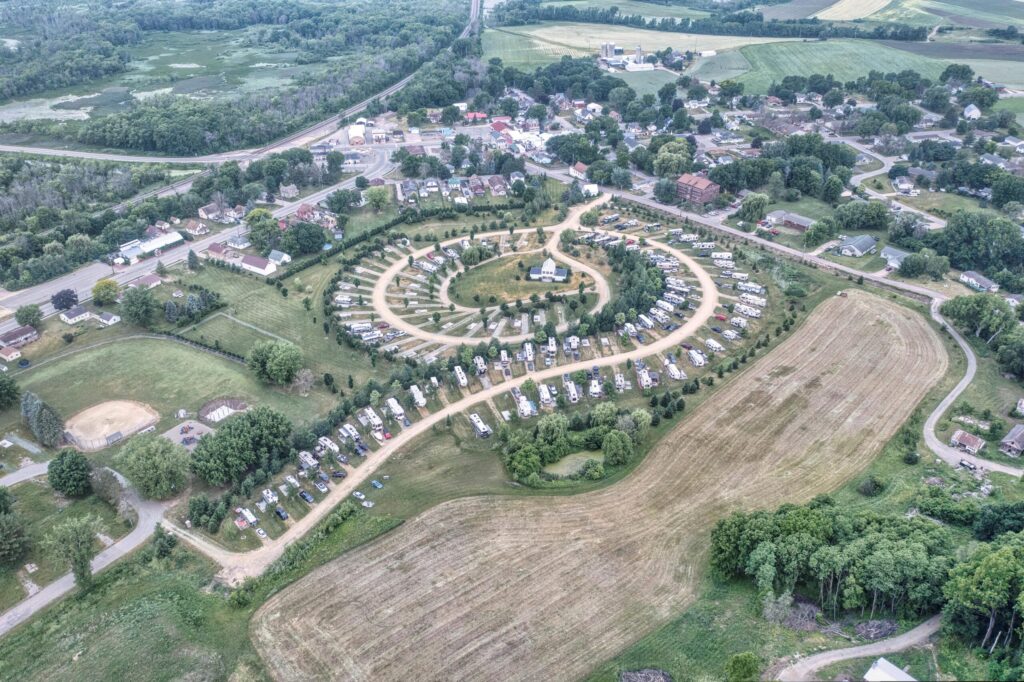
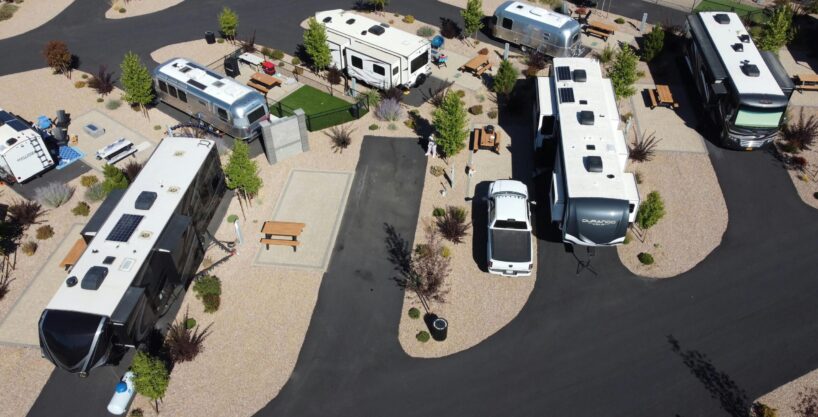
The campground and RV park sector is still growing—just not at the frenzy we saw in the early 2020s. But behind the headline slowdown, there’s a clear, investable trend: high-conviction operators are still building, expanding, and upgrading parks across North America, especially in destination markets and higher-quality assets. For outdoor hospitality owners, buyers, and investors, that matters. New supply affects values, competition, and buyer demand—but it also signals where capital believes the future upside lives.
Below, we break down the latest development data and what it means if you own, operate, or want to acquire RV parks and campgrounds today.
The Big Picture: 5,716 New Campsites Coming Online
According to recent industry reporting:
- 31 new campgrounds, RV parks, and resorts are under construction across the U.S. and Canada from 2024 through early 2026, adding 4,146 new RV sites.
- 36 existing parks are in expansion mode, adding another 1,570 RV sites.
- Combined, that’s at least 5,716 new campsites entering the North American inventory over this period.
This is not “boom time” development, but it is serious, targeted growth—concentrated in areas where operators see durable demand, strong rates, and healthy length-of-stay trends.
Franchise & Institutional Players Still Leaning In Several major brands and platforms are actively growing:
- Kampgrounds of America (KOA) added 15 new campgrounds in 2024, across 21 states and provinces, with roughly 1,500 new RV, tent, and cabin sites. It plans three more new-build parks in 2025 with another 470 sites and continues to roll out site upgrades, redesigned layouts, and new amenities system-wide.
- Other active developers and operators include Blue Water Development Corp., CRR Hospitality, Equity LifeStyle Properties, Great Escapes RV Resorts, Northgate Resorts, Open Road Resorts, Roberts Resorts, Sun Outdoors, Jellystone, and USA Camping Company, among others.
When sophisticated operators expand in a slower macro environment, that’s a clear signal: they still like the risk-adjusted returns in this asset class.
Development Themes: Fewer “Basic” Sites, More Resort-Quality Experiences
Reading through the pipeline, a few themes stand out:
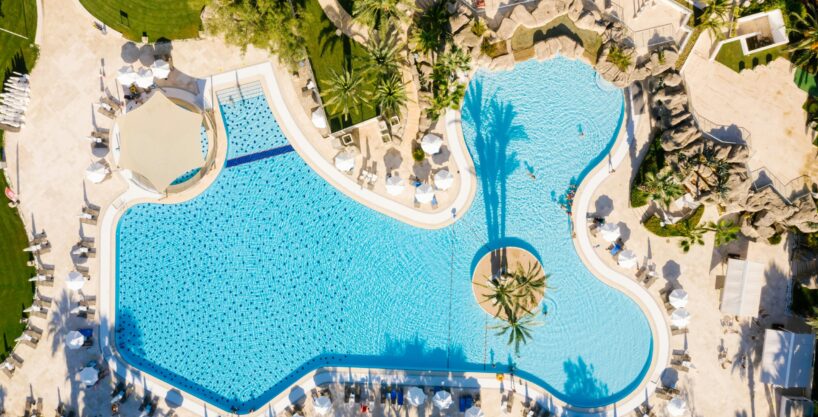
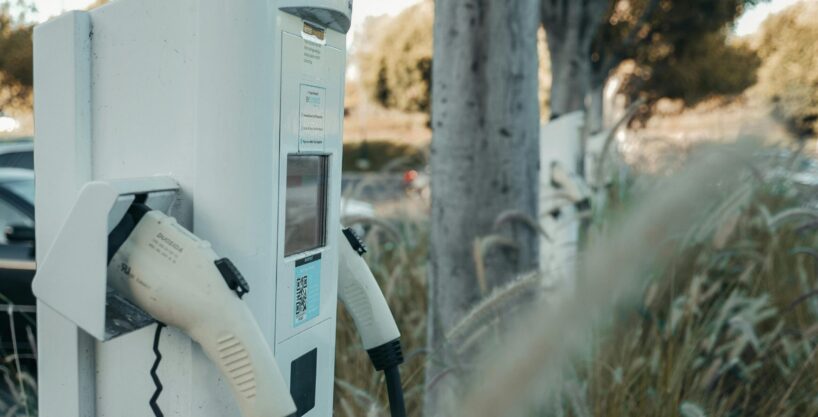
- New parks are being built with resort-style pools, splash pads, event venues, wineries/breweries, fitness centers, EV charging, and upgraded Wi-Fi as standard, not luxury add-ons.
- Examples include properties with amphitheaters, farm-to-table restaurants, multi-pool complexes, and extensive group spaces.
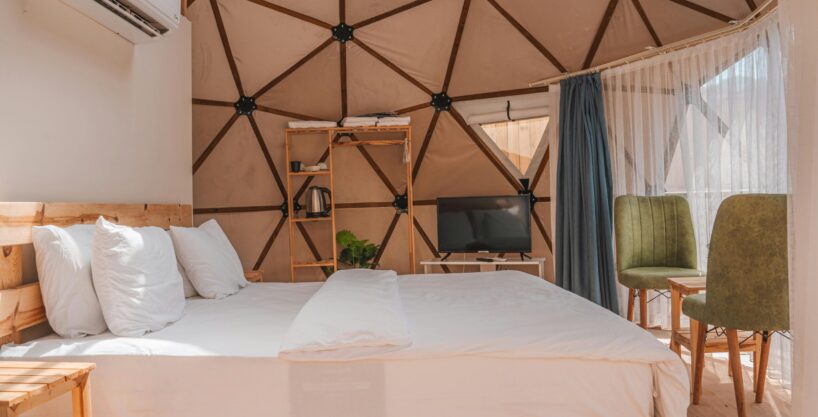
- Many expansions are focused on adding premium full-hookup or patio sites, cabins, and glamping units, alongside bathhouse renovations, new clubhouses, and pickleball courts.
- Operators are also investing in better Wi-Fi, EV infrastructure, and pet amenities to remain competitive.
A growing number of properties are mixing RV sites with cabins, glamping units, and tent sites, diversifying revenue and appealing to a broader guest base.
Layout changes (larger pull-throughs, improved grading, premium patios) are designed to support bigger rigs and higher nightly rates, while also improving the guest experience and reviews.
The clear direction of travel: higher quality, higher ADR, more diversified revenue per occupied site.
Texas & the South: A Hotbed for New Supply
Texas and the broader Sun Belt continue to be magnets for outdoor hospitality capital.
Recent and planned projects include:
- New luxury and resort-style parks in markets like Fredericksburg, Wimberley, Celina, Johnson City, Burleson, San Antonio, Killeen, Caddo Mills, and South Padre Island, many with resort pools, clubhouses, EV charging, Wi-Fi upgrades, and premium fenced lots.
- Significant expansions at existing parks in Texas focusing on additional full-hookup sites, cabins, pool and spa complexes, event halls, pickleball courts, and communal firepit/amenity areas.
For owners in Texas and surrounding states, that means:
- You’re in one of the most competitive and most attractive regions in North America for RV and campground investment.
- If your park looks and feels “old school” compared to this new wave, there’s likely value-add upside—or buyer appetite from groups looking for their next project.
What This Means If You Already Own a Park
If you own an RV park or campground today, this development cycle can be both risk and opportunity:
Competitive Benchmarking

New and upgraded parks are resetting the bar on:
- Nightly and weekly rates
- Amenity expectations
- Site sizes and configurations
- Guest reviews and online presence
If nearby properties are adding pools, upgraded cabins, EV charging, or pickleball, your park may need targeted capex just to hold the line on occupancy and rates.
Potential for Value-Add Plays
On the other hand, buyers and lenders increasingly understand:
- The impact of incremental sites or cabins on NOI
- The premium that comes from branded, amenity-rich experiences
- How to underwrite rate growth following strategic upgrades
That can make value-add projects more financeable and more marketable than they were five or ten years ago. A thoughtful expansion or renovation plan can transform a “tired” park into a top-quartile asset in relatively short order.
Timing a Sale Around the Cycle
With development still active—but more measured—owners have a window where:
- Institutional and private buyers are shopping for scale, especially in strong drive-to markets.
- The supply pipeline is visible, allowing careful underwriting of competition.
- Buyers value stabilized parks with room for expansion—they can pay for today’s income and still underwrite future upside.
For many long-term owners, this environment can support a full or partial exit at favorable pricing, especially if your park is in a growing market and not yet “fully optimized.”
What This Means If You Want to Buy or Develop
For buyers, developers, and 1031 investors, the data suggests:
Selectivity matters more than ever.
Not every new submarket justifies fresh supply. The winners will be well-located, well-amenitized properties with clear demand drivers—near lakes, rivers, national/state parks, or growing metros.
Operational sophistication is now a core value driver.
Revenue management, digital marketing, and guest experience strategy are now as important as physical real estate. The best deals often come from acquiring under-managed properties in strong locations and bringing modern operations to them.
1031 exchanges into RV parks and campgrounds remain compelling.
For owners selling management-intensive assets or other property types, reallocating into campground/RV assets can provide diversified income streams and strong cash-on-cash returns, especially when paired with professional management and a growth plan.
Key Takeaways for Outdoor Hospitality Stakeholders
- Growth is still happening: Over 5,700 new campsites are being added across North America between 2024 and early 2026.
- Quality is rising: New supply is heavily skewed toward resort-style parks with strong amenity packages and upgraded site infrastructure.
- Texas and the Sun Belt remain prime territory: Multiple new parks and expansions are clustering in high-growth, warm-weather markets.
- Owners have options:
- Invest selectively to keep your park competitive.
- Explore a value-add strategy to boost NOI.
- Consider timing a sale while capital is still active and hungry for quality OH assets.
How North Star Helps Owners Navigate This Cycle
At North Star Brokerage & Advisory, our entire business is built around Outdoor Hospitality—RV parks, campgrounds, mobile home parks, marinas, self-storage, and boat/RV storage.
In a market where new development is reshaping the competitive landscape, we help owners:
- Understand current value in the context of new supply and regional trends.
- Identify targeted capex or expansion opportunities that meaningfully lift NOI and exit value.
- Compare hold vs. sell scenarios, including 1031 exchange options into other OH or net-lease assets.
- Run competitive sale processes designed to deliver multiple qualified offers, not just one or two “maybe” buyers.
If you’d like a confidential conversation about how this development cycle affects your park—and what buyers are willing to pay in today’s environment—reach out to North Star Brokerage & Advisory.
We’ll help you align today’s market realities with your long-term North Star goals for ownership, liquidity, and legacy.
Previous Post
Why RV Parks & Mobile Home Parks Are One of North America’s Most Mispriced Opportunities