Texas has one of the largest RV park footprints in the country. RV Life reports 2,746 parks across the state, but we believe the number has grown beyond 3,000 in 2026. At North Star, we track this universe daily through our proprietary database software, Polaris, which continuously aggregates park-level data across markets as supply, ownership, and usage evolve.
The more important takeaway is not the total number of parks, but how differently they perform depending on location and demand drivers. Unlike states dominated by a single RV profile, Texas supports multiple, distinct RV markets that behave very differently from one another.
Workforce-Driven, Long-Term Occupancy
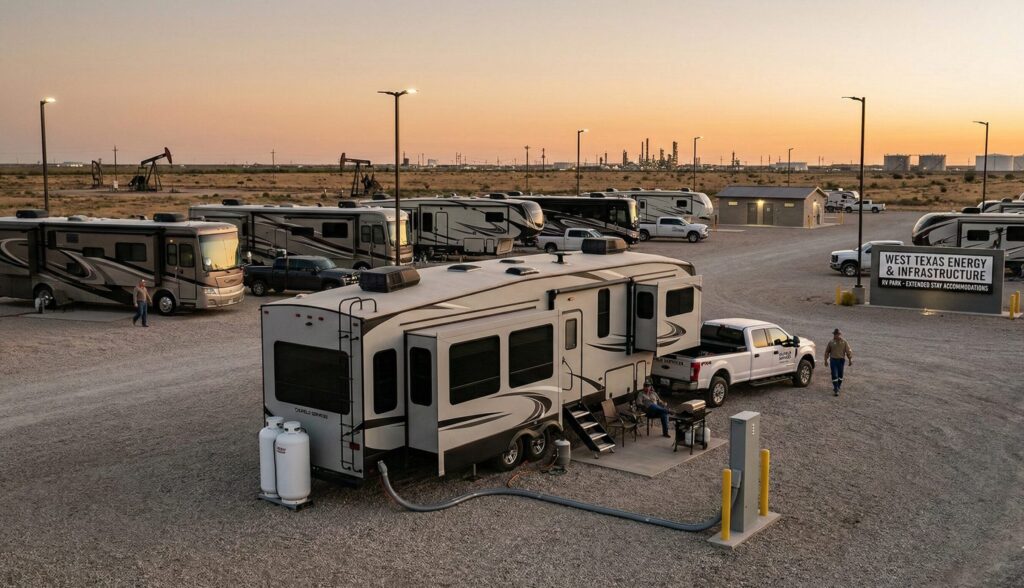
In West Texas, RV parks are closely tied to energy, infrastructure, and industrial employment. Demand is driven by job activity rather than tourism and tends to skew long-term.
Common characteristics include:
These assets often underwrite more like workforce housing than traditional hospitality
Long-Term Tenancy Near Employment Hubs
RV parks surrounding major metros such as Austin, Dallas–Fort Worth, Houston, and San Antonio serve as an affordability-driven housing alternative.
Typical demand profiles include:
Performance is driven by location, consistency of occupancy, and proximity to job centers rather than tourism appeal.
Experience-Oriented & Rate-Driven
Central Texas destinations behave more like hospitality assets, particularly near rivers, lakes, and event-driven submarkets.
Key traits:
Upside is frequently unlocked through repositioning, rate management, and experience upgrades rather than expansion alone.
Seasonal Communities & Extended Stays
The Valley represents one of the most distinct RV submarkets in Texas.
Notable features:
These parks tend to function more like seasonal residential communities than transient campgrounds.
Seasonal, Event-Driven, and Weather-Sensitive
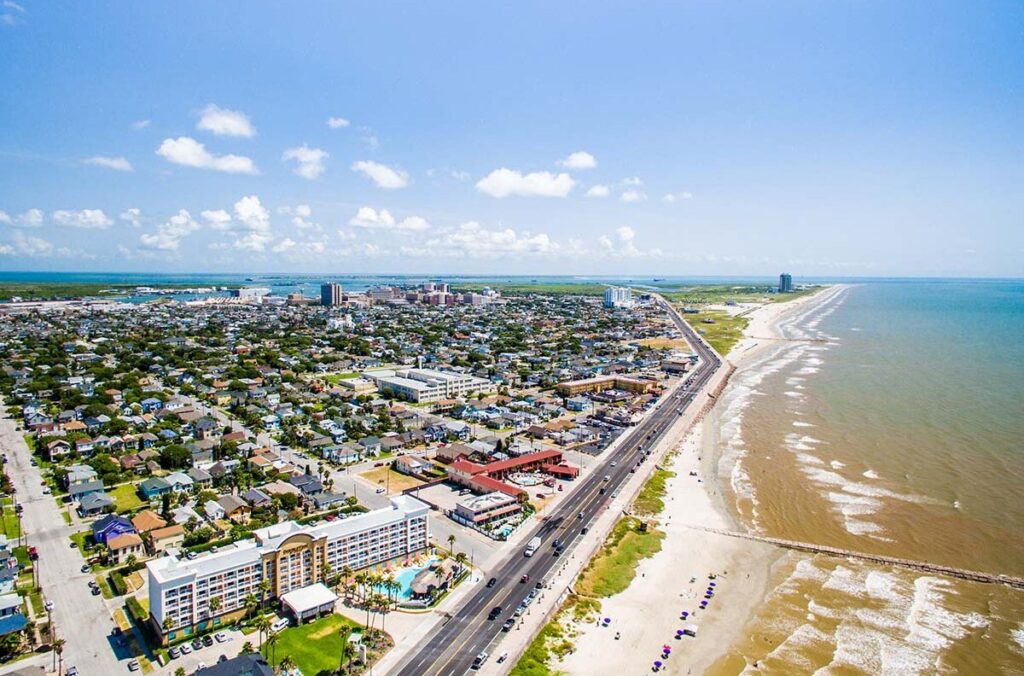
Texas coastal parks are shaped by tourism cycles, holidays, and weather patterns.
Operational dynamics typically include:
Operational discipline and risk management play an outsized role in long-term success.
Recreation, Timber, and Small-Market Stability
East Texas RV parks are influenced by a blend of recreation, small-market employment, and regional travel. Demand is generally less volatile than coastal markets and less tied to single industries than West Texas.
Common characteristics include:
These assets often appeal to owner-operators and regional investors seeking stable cash flow with room for incremental growth.
The Texas RV landscape is best understood through the lens of segmented demand, not park count alone. Assets across the state respond to very different economic, demographic, and seasonal drivers, which is why underwriting assumptions, operating strategies, and valuations can vary meaningfully from one market to another.
For owners, buyers, and developers, the key is not whether a park is “in Texas,” but what kind of Texas market it sits in and how that demand behaves over time.
North Star Brokerage & Advisory proudly represents RV park owners and investors across Texas, with current listings and successful closings in each of the markets discussed above. If you have a question about a specific market, or one you’re evaluating, we’re always happy to help.
Reach out to us at
How to Set Your Rates at Your RV Park, Campground, Marina, MHP or Storage Property
Strategic Partners of the Outdoor Hospitality Industry