
Some of the most important news for Texas park owners this fall did not come from a Wall Street earnings call. It came from city council chambers in places like Bruceville-Eddy, Commerce, New Braunfels, Gatesville, and Grapevine.
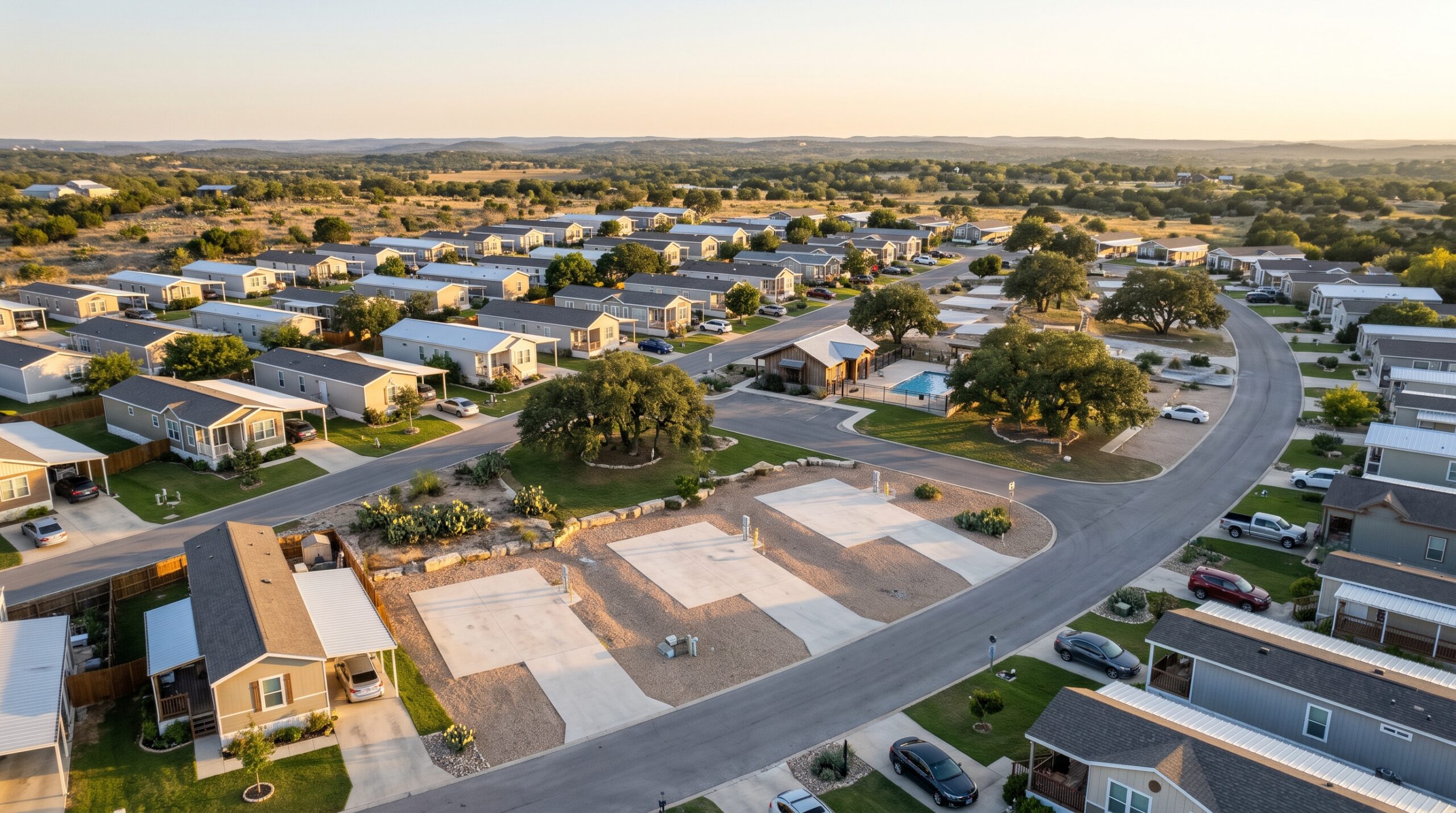
A new state law on manufactured homes took effect September 1, and cities are now working out how to comply. At the same time, RV park rules are getting a fresh look, and federal changes to how manufactured homes are built are moving forward. For anyone who owns, operates, or is thinking about buying a manufactured home community or RV park in Texas, these local decisions shape what can be built, what can be sold, and how much a property is worth.
The State Law Driving the Changes
Texas Senate Bill 785 took effect September 1, 2026. As summarized in coverage of Grapevine's compliance effort, the law requires cities to allow HUD-code manufactured homes by right in at least one residential district shown on the zoning map. Cities cannot require a special use permit for those homes unless the same permit is required for other homes in that district. An installation application is treated as granted unless the city denies it in writing within 45 days. Historic districts and deed restrictions recorded before January 2, 2025 are protected.
The starting point matters. According to Stateline's review of National Zoning Atlas data, Texas has more than 6,700 zoning districts, and about 33% of them explicitly restrict manufactured homes. Another 11% allow them only through a special hearing or permit. That is a lot of local code to update.
Cities Are Taking Different Paths
The early responses show that "compliance" can look very different from one city to the next.
Bruceville-Eddy (McLennan County).
On October 23, the council voted 4-1 for a narrowed amendment. It dropped a broader allowance for agricultural zones and limited manufactured homes to mobile-home districts, while grandfathering existing homes.
Commerce (Hunt County).
On October 21, the council approved a first reading allowing new HUD-code homes by right in its A2 zone. The proposal sets a minimum of 1,000 square feet, requires homes to be no more than two years old, and requires them to be permanently affixed.
Grapevine (Tarrant County).
The city opened case AM26-04 to align its zoning with SB 785 and two other new state laws, HB 2464 and SB 783. A joint council and planning and zoning meeting on October 20 was set to call a public hearing. Draft language had not been posted at the time of reporting.
San Antonio.
The city recently updated its Mobile Living Park fact sheet. Any property renting two or more sites counts as a licensed park, the fee is $36 per usable site per year, the city performs proactive inspections, and the license is not transferable.
RV Parks Are Under the Microscope Too
New Braunfels.
On October 26, the city council voted 5-0 to deny a special use permit request from Sun Retreats Texas Hill Country at 141 Rueckle Road. The request would have allowed up to 10 manufactured homes on 11.44 acres zoned C-3 at the RV resort. City staff had recommended denial, and the planning and zoning commission had voted 5-4 to allow only the three homes already permitted. Council members criticized homes being installed before the zoning was in place, and staff was directed to pursue a full code compliance review.
Gatesville (Coryell County).
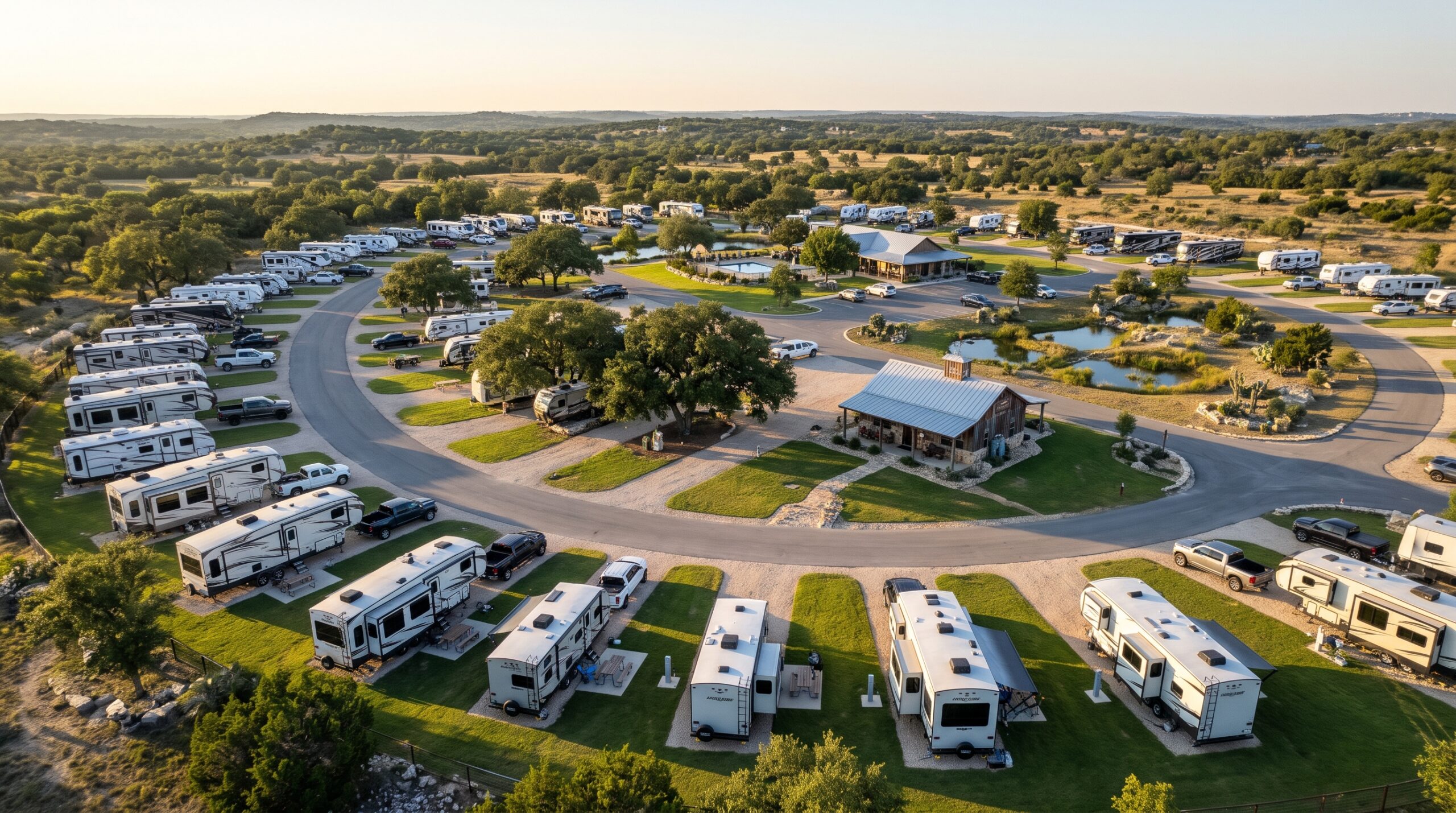
Gatesville adopted RV park rules in June, then suspended enforcement after the Texas Association of Campground Owners sent the city a letter on October 8 that referenced possible legal action. The proposed rewrite, Ordinance 2026-20, would:
- Cut the minimum RV lot size from 3,000 to 1,800 square feet and the minimum width from 50 to 30 feet
- Change RV separation from 10 to 16 feet, in line with the Texas Campground Safety Act
- Set road widths at 20 feet for two-way and 14 feet for one-way traffic
- Tie service building standards to the NFPA 1194 campground code
- Require a three-year occupant register, with a warrant required for access
The first reading was scheduled for October 27, and further meetings are set for November 17 and December 8. The final outcome had not been reported at the time of writing.
The Federal Backdrop: Homes Without a Permanent Chassis
These local fights are happening as federal rules change underneath them. The ROAD to Housing Act, signed July 11, 2026, removed the long-standing requirement that HUD-code homes be built on a permanent steel chassis. According to The Pew Charitable Trusts, states must certify that they treat chassis-free homes the same as other manufactured homes for titling, financing, and taxes by July 11, 2027, or July 11, 2028 for states with legislatures that meet every two years. As of October 1, Texas was one of only six states that had taken steps.
Stateline reported that removing the chassis could cut $5,000 to $10,000 from the cost of a home, and noted that Texas is one of three states whose definitions update automatically with HUD's. Zoning is still the main barrier. Realtor.com's research team, citing Land Use Labs, found that only about 17% of zoned land in the U.S. expressly allows manufactured home parks.
What It Means for Owners
- Existing parks may be worth more, but only if they are clean. When only a small share of land allows manufactured home parks, a legally conforming community is hard to replicate. That scarcity supports value. The flip side is that a park with homes installed without proper approvals, or with nonconforming lots, can become a problem in a sale. The New Braunfels vote shows that cities are willing to look closely.
- Know your zoning before you change your site plan. If you are thinking about adding manufactured homes, park models, or tiny homes to an RV park, or adding RV sites to a community, confirm the zoning and permit path first. Adding units first and asking later can lead to denials and code reviews.
- Watch your city's compliance ordinance. Bruceville-Eddy and Commerce show that cities have room to choose narrow or broader paths. Size minimums, age limits, and district limits can affect which homes you can bring in and what a buyer can do with the property. Grandfathering language is especially important for older communities.
- RV park standards are being written now. Lot sizes, separation distances, road widths, and record-keeping rules all affect how many sites fit on a property and what it costs to operate. The Gatesville rewrite shows that organized input from owners can change the final rules. Owners should follow their own city's agendas and show up when RV park ordinances are on the table.
- For buyers, zoning is part of due diligence. Before closing on a park, review the zoning district, any special use permits, the city's licensing rules, and whether the city is in the middle of a rewrite. In San Antonio, for example, the park license does not transfer with the property, so a buyer needs to plan for its own licensing.
- For sellers, documentation helps. Having permits, licenses, site plans, and any grandfathering letters in order before going to market reduces surprises and gives buyers confidence.
The Bottom Line
The rules for manufactured home and RV parks in Texas are being rewritten city by city, on top of a federal shift in how manufactured homes are built. These changes create opportunity for owners of well-documented, conforming properties, and risk for those who have not checked where they stand. If you own a park in Texas and want to understand how these changes could affect your property's value or your exit plans, now is a good time to review your zoning and permits.
Start the Conversation
This article is for general informational purposes and reflects reported developments as of publication. Ordinances and votes described here change quickly, and several outcomes were still pending. It is not legal advice. Confirm current requirements with the city and a qualified attorney before making decisions based on any rule described here.