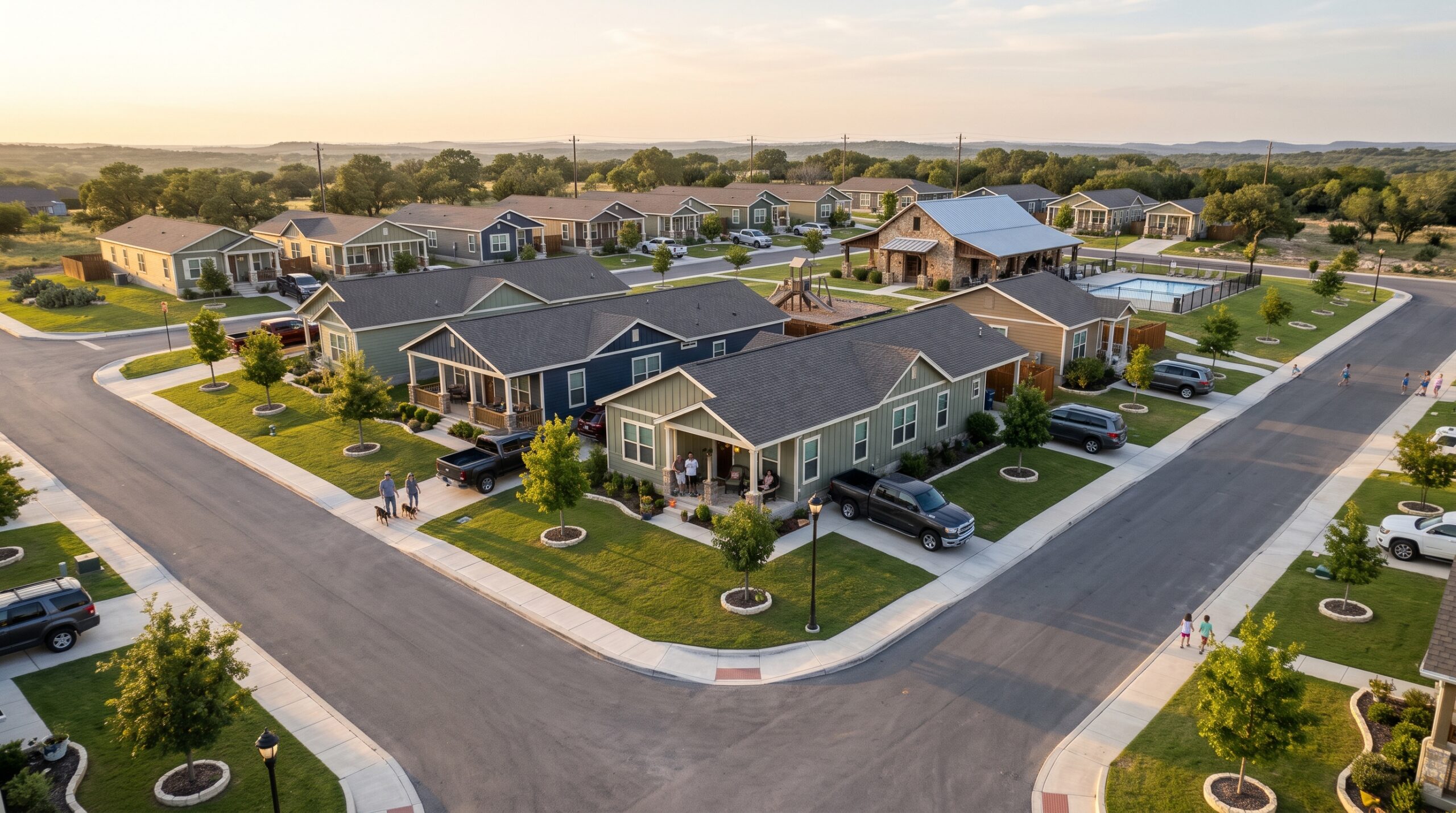
On October 22, 2026, the White House signed an executive order titled "Decreasing Housing Costs for the American People." Most of the headlines focused on mortgage insurance and title insurance. For anyone who owns, operates or plans to buy a manufactured housing community, though, the most important part is Section 3, which creates the Task Force on Manufactured Housing Innovation.
This is a recommendation process, not an overnight rule change. Still, it points federal housing policy in a direction that has been good news for our industry, and it is worth understanding now, especially if a sale is somewhere on your horizon.
What the order actually says
The task force is co-chaired by the Secretary of HUD and the Director of the Federal Housing Finance Agency (FHFA). It also includes the Secretaries of Agriculture, Commerce and Veterans Affairs. Within 180 days, it must send the President recommendations to:
- Line up specifications, certifications, inspections and approvals across federal housing and housing finance programs.
- Set up reciprocal recognition of licenses, certifications, approvals and inspections, so the same home is not reviewed over and over.
- Remove federal requirements and duplicate reviews that slow down factory production or add time and cost to bringing homes to market.
- Use federal financing, insurance, guarantee and purchasing programs to encourage more production of affordable manufactured and factory-built homes.
- Promote competition among manufacturers while keeping standards for safety, quality and consumer protection.
The task force will also study whether federal grant money can be tied to, or used to reward, state and local adoption of standardized permitting and licensing for factory-built housing, and it will prepare legislative recommendations.
Separately, Section 5 directs USDA and the VA to lower the interest rates on the single-family home loans they make directly, within existing law and available funding.
Why this matters to a community owner
An MH community is only as strong as the homes on its sites and the residents who can buy them. For years, owners have dealt with three stubborn problems: new homes cost more and take longer to deliver, financing for homebuyers is limited and expensive, and local permitting can make it hard to set homes or expand. This order speaks, at least in direction, to all three.
1
Faster, cheaper homes for empty lots.
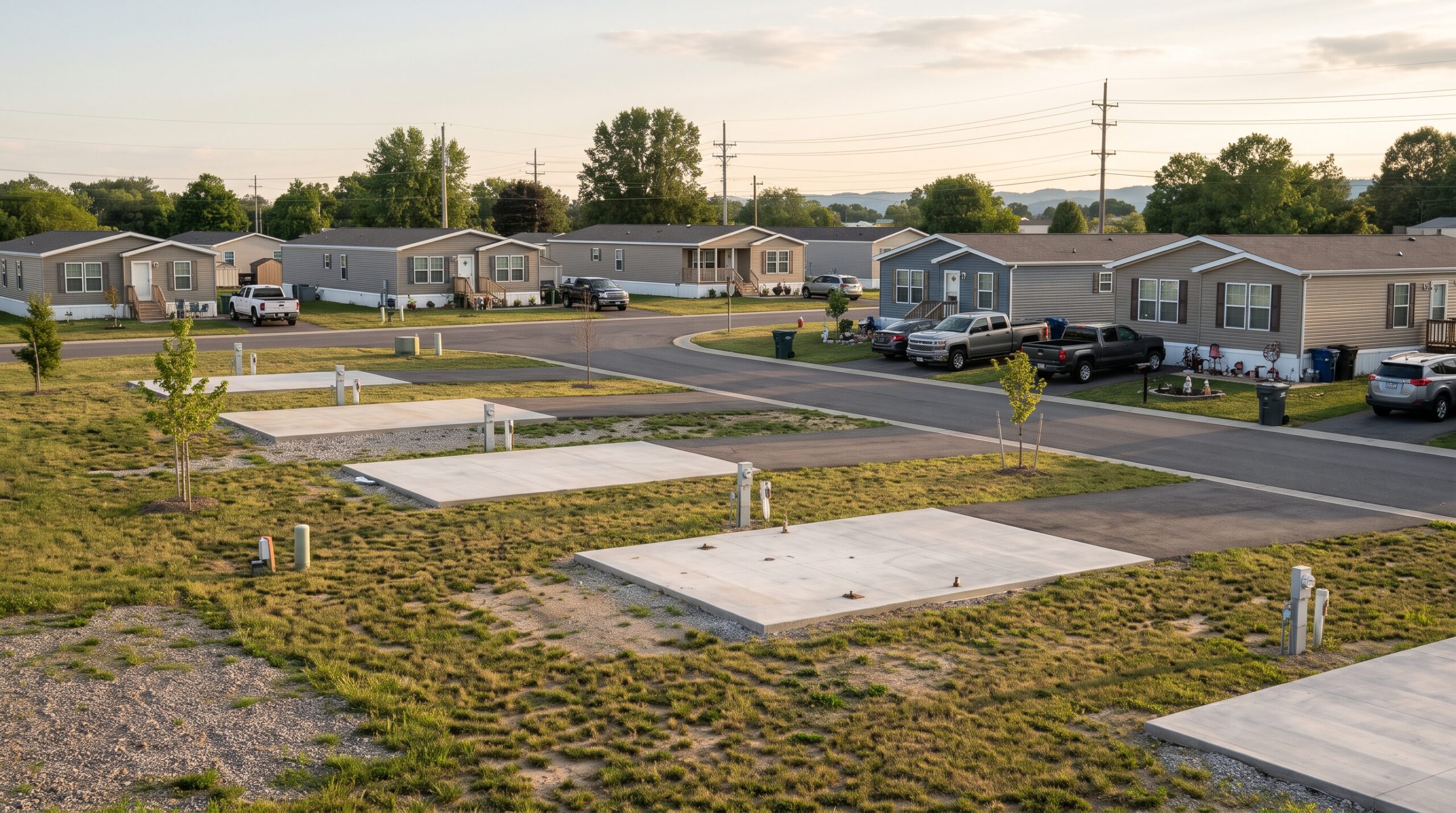
If duplicate inspections and approvals are trimmed, manufacturers may be able to deliver homes more efficiently. For owners with vacant pads, that could mean filling sites sooner and at a lower cost per home.
2
More financing options for residents.
The order explicitly calls on federal financing and guarantee programs to support affordable factory-built homes. Better buyer financing usually means faster home sales inside a community, fewer homes sitting on the books and less need for the owner to carry paper.
3
Pressure on local barriers.
Tying grant funding to standardized permitting would give cities and counties a real reason to make room for manufactured homes. That can help with infill, expansions and new development.
What it means when you go to sell
Buyers pay for what they can underwrite with confidence. Here is how this policy direction could show up at the closing table.
A broader buyer pool.
Institutional and private buyers already like MH for its steady lot rent income. A clear federal signal of support lowers the perceived policy risk, which can bring more capital into the sector and more bidders to your deal.
Vacant lots become a story, not a discount.
Today, buyers often discount empty pads because filling them is slow and expensive. If homes become easier to place and finance, a seller with infill potential has a stronger case that those lots carry real upside.
Home-sale velocity supports valuation.
Communities where residents can get financing and homes sell quickly tend to show stronger occupancy and fewer turnover headaches. Those are exactly the numbers a buyer and their lender look at.
Timing is a judgment call.
Policy benefits that are still on paper will not be fully priced in today. Some owners may choose to sell now while capital is active. Others may want to show a year of improved infill or home sales first. The right answer depends on your community, your debt and your goals.
What it means for the new owner
For the buyer, the opportunity is mostly about execution after closing:
- Infill plans may pencil out better. Lower home costs and better resident financing can improve the return on bringing in new homes.
- Expansion may get easier in places that respond to federal incentives on permitting.
- Resident affordability may improve if USDA, VA and other federal programs make home loans cheaper, which supports occupancy and collections.
A smart buyer will still underwrite today's reality, not tomorrow's promises, and treat any federal improvement as upside.
What is still uncertain
It is important to be clear about what this order does not do yet.
- It is a 180-day study. The task force delivers recommendations, not finished rules. Agencies then have to act within their own authority.
- Funding and law still apply. The order says it must be carried out consistent with applicable law and subject to available appropriations. Some ideas, like conditioning grants, may need Congress.
- Local control remains local. Zoning and permitting are still decided by cities and counties. Federal incentives can encourage change, but they cannot force it.
- Direct loan programs are small. USDA and VA direct loans reach a limited number of borrowers, and how much they help manufactured home buyers in land-lease communities is still to be seen.
- Chattel financing is not specifically addressed. Many homes in communities are financed as personal property. Whether the task force tackles that market is something to watch.
The bottom line
This order is not a reason to rush, and it is not a reason to wait. It is a reason to be prepared.
Owners who understand how federal policy affects home supply, resident financing and local permitting will be better positioned to tell a strong story to buyers, whenever they decide to sell. Buyers who understand it will be better positioned to plan infill and growth after closing.
We will keep watching the task force over the next 180 days and share what comes out of it.
Thinking about what this means for your community?
At North Star Brokerage & Advisory, we work with manufactured housing community owners across Texas and the country on valuation, timing and sale strategy. If you would like a no-pressure conversation about how this policy shift could affect your community's value or your next move, we would be glad to talk. Reach out to us at nstarba.com.
Start the Conversation
This article is for general informational purposes and reflects conditions as of publication. It is not legal, tax, or investment advice. Federal policy is subject to change, and the executive order described here is a recommendation process, not a final rule. Consult qualified professionals before making decisions based on any policy described here.